



A sticking brake caliper isn’t always a caliper problem.
In this Inside the Brands episode, CRP Automotive explains a less obvious cause of brake drag and vehicle pull: internal brake hose swelling.
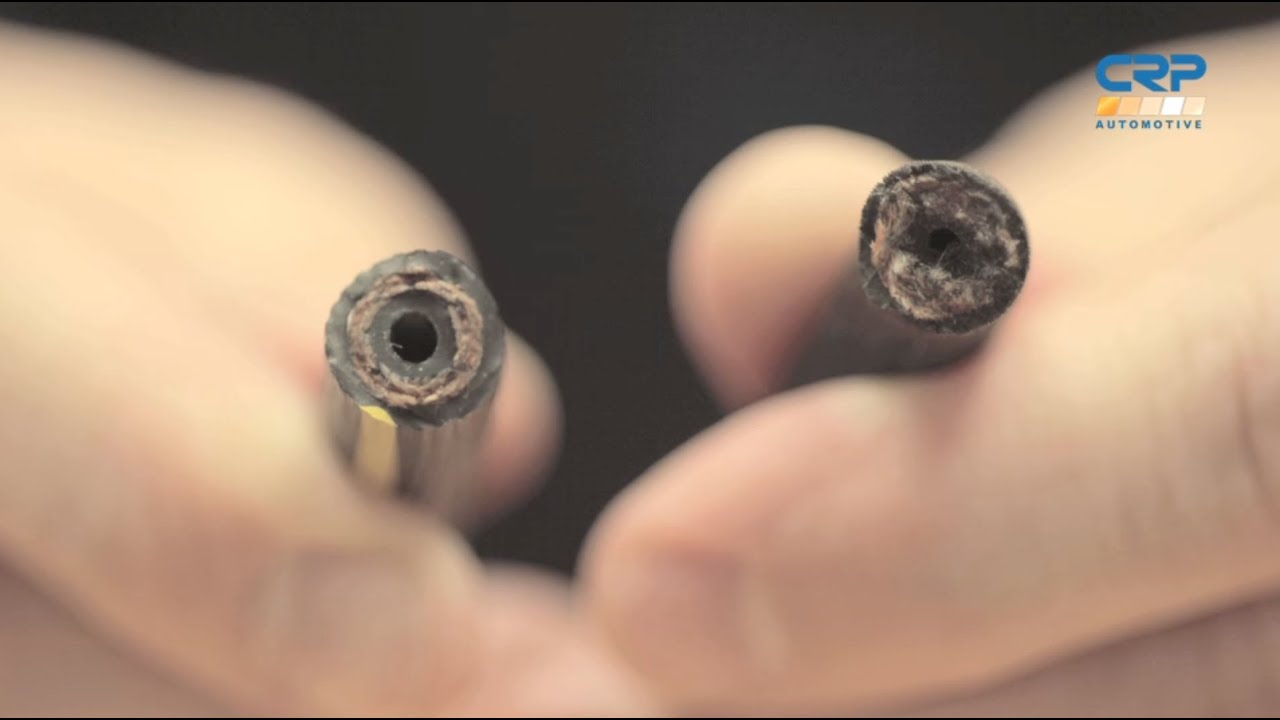
On older vehicles, typically 8 to 10 years or more, brake hoses can swell on the inside. From the outside, the hose may look fine. Internally, however, the restricted inner diameter can trap brake fluid after the pedal is released, preventing the caliper from fully retracting.
The result is a brake that drags, uneven pad wear, and a vehicle that pulls to one side.
This video explains how internal brake hose swelling affects brake operation.
Why visual inspection alone may not reveal the problem.
Why brake hoses should always be replaced in pairs.
Replacing only one brake hose can lead to uneven braking performance over time. Replacing hoses on both sides helps restore balanced braking and prevent repeat issues.
If you’re diagnosing a sticking caliper or unexplained brake pull, this is a failure mode worth checking before replacing major components.