CRP Automotive’s Pentosin Brand Director Mark Malone talks about some of the differences between conventional and synthetic motor oils in this episode of “Inside the Brands”.

What's Hot, Campaigns & Promotions
-

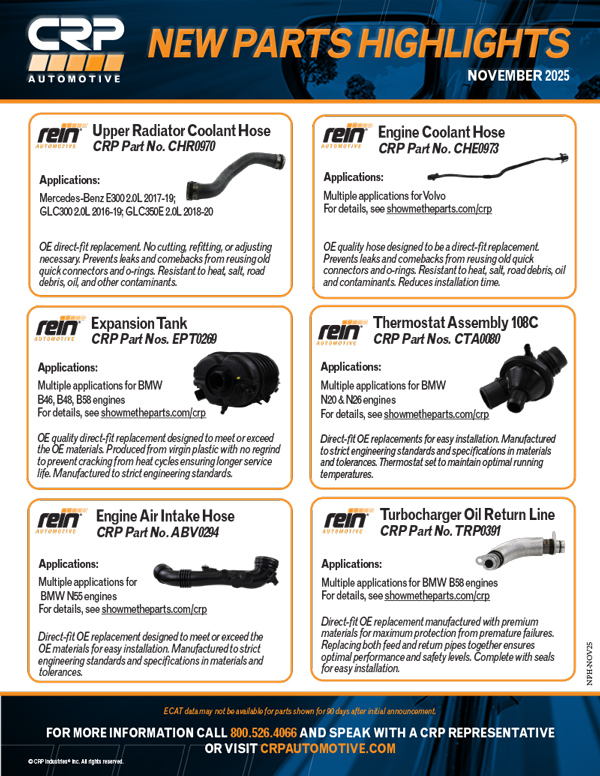
New Parts Highlights – November 2025
...View Now -
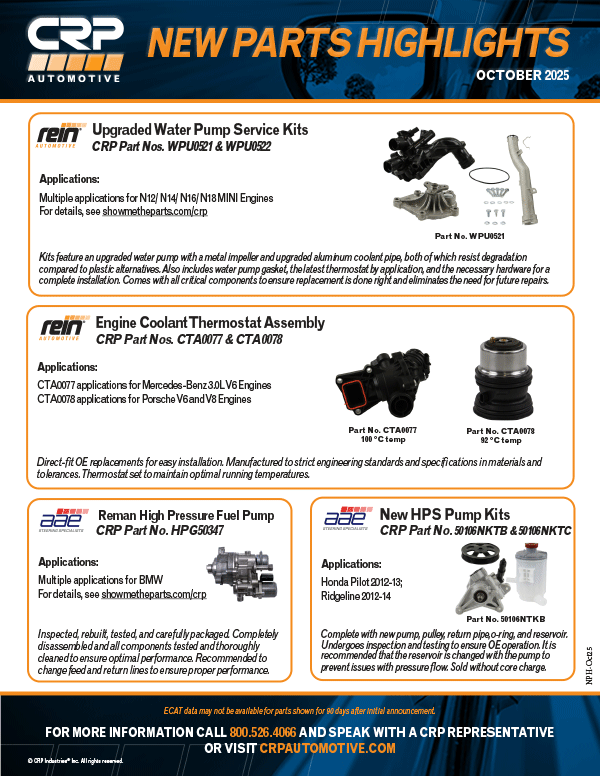
New Parts Highlights – October 2025
...View Now -

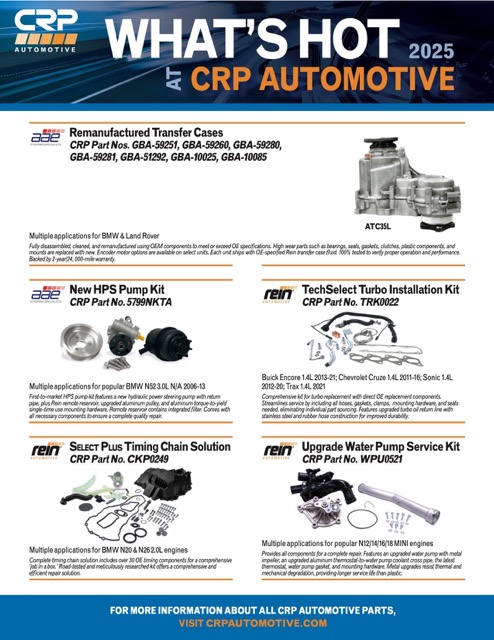
What’s Hot at CRP: AAPEX 2025 Edition
...View Now -

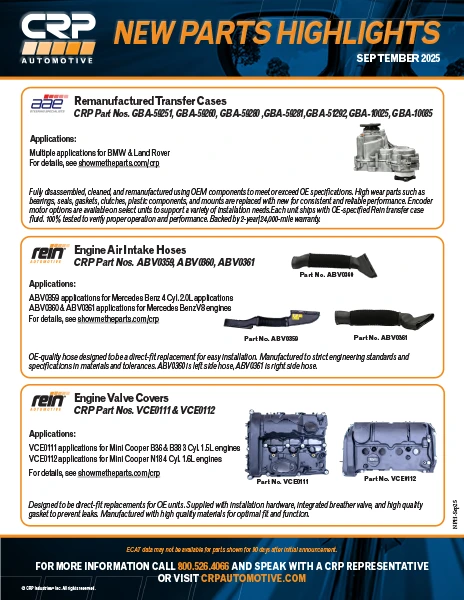
New Parts Highlights – September 2025
...View Now -
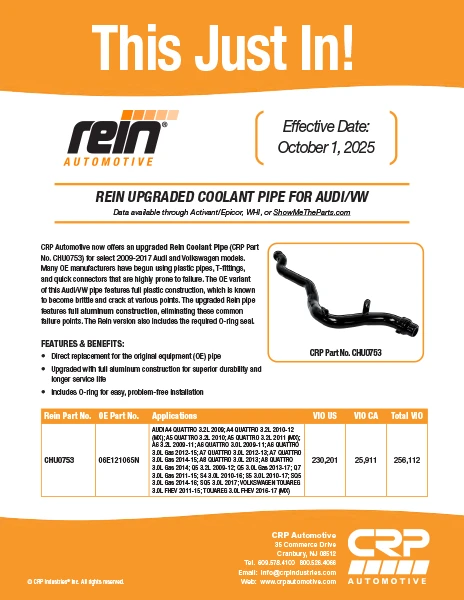
October 2025 – This Just In – Rein Upgraded Coolant Pipe for Audi/VW
...View Now -
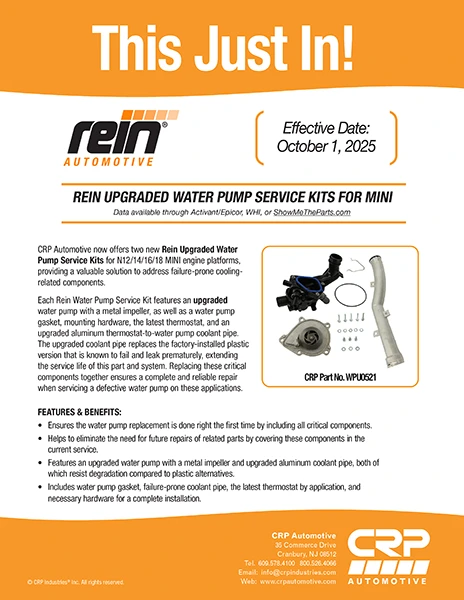
October 2025 – This Just In – Rein Upgraded Water Pump Service Kits for MINI
...View Now -

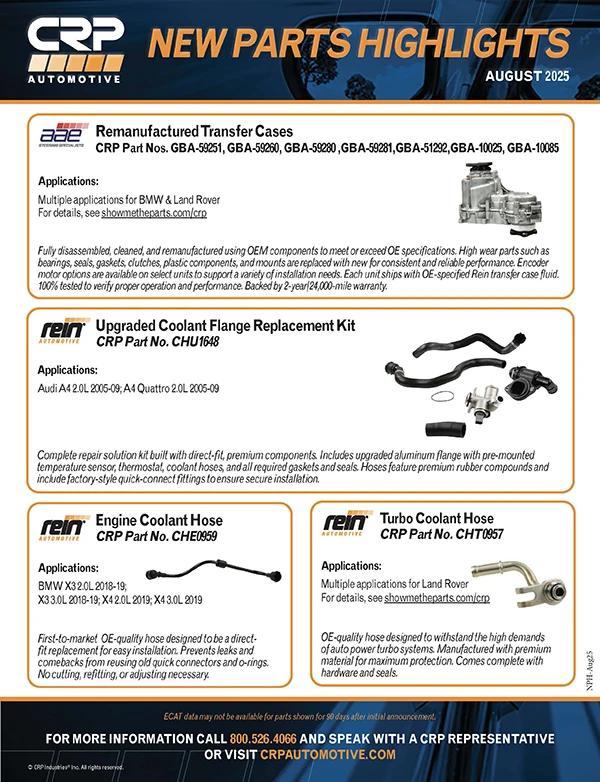
New Parts Highlights – August 2025
...View Now -
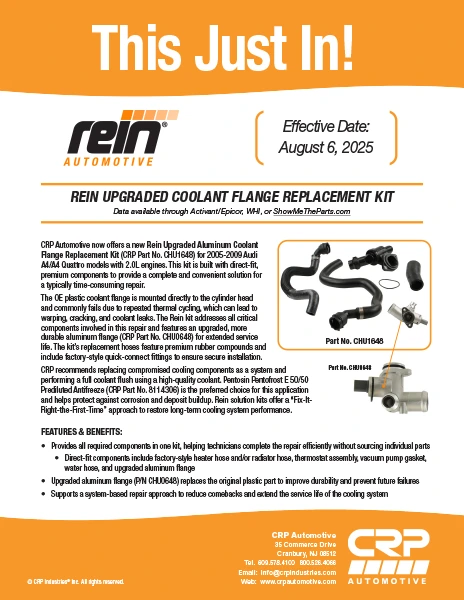
August 2025 – This Just In – Rein Upgraded Coolant Flange Replacement Kit
...View Now -

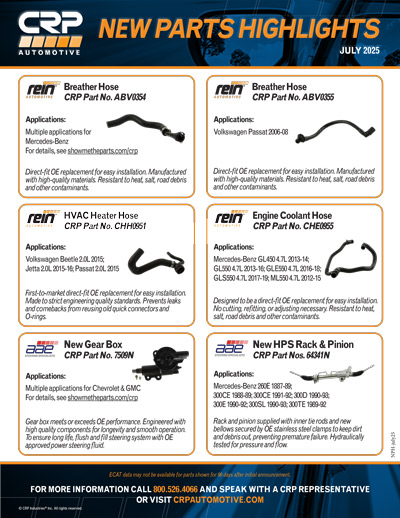
New Parts Highlights – July 2025
...View Now -

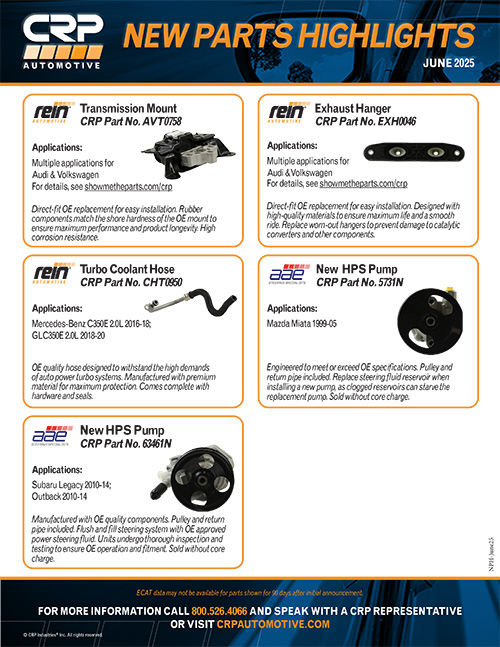
New Parts Highlights – June 2025
...View Now