



Power steering problems often start in a place that’s easy to overlook: the hose.
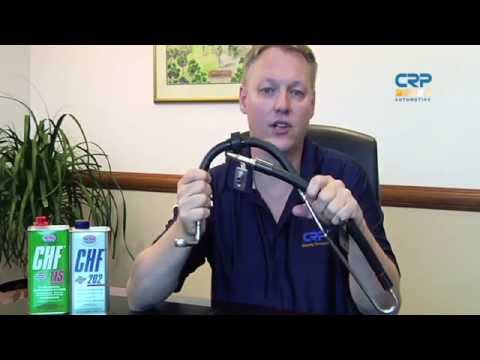
In this Inside the Brands episode, CRP Automotive breaks down why power steering hoses fail and how hose condition directly affects pumps, racks, and steering gears.
Power steering hoses operate under extreme conditions. They see pressure spikes up to 1,500 PSI, temperatures from below freezing to over 300°F, and constant movement from engine vibration, twisting, and flexing. Over time, heat, pressure, and contaminated fluid cause the inside diameter of the hose to deteriorate, restricting flow and circulating debris through the system.
That contamination is often what leads to pump or steering unit failure, not the component itself.
This video explains how hose deterioration restricts fluid flow.
What fluid color and smell reveal about system health.
Why hoses, fluid, and flushing matter during steering repairs.
It also covers what to look for during inspection, including burnt-smelling fluid, metallic or rubber debris, brittle hoses, restricted flexibility, and leaks at connections. These are early warning signs that the system is already compromised.
As a general rule, when replacing a power steering pump or rack, the hose and fluid should be addressed at the same time to prevent repeat failures and comebacks.